


FACING LIMITATIONS, REFOCUSING PRIORITIES: THE CHALLENGES AND OPPORTUNITIES OF AGING
Check assumptions at the door.
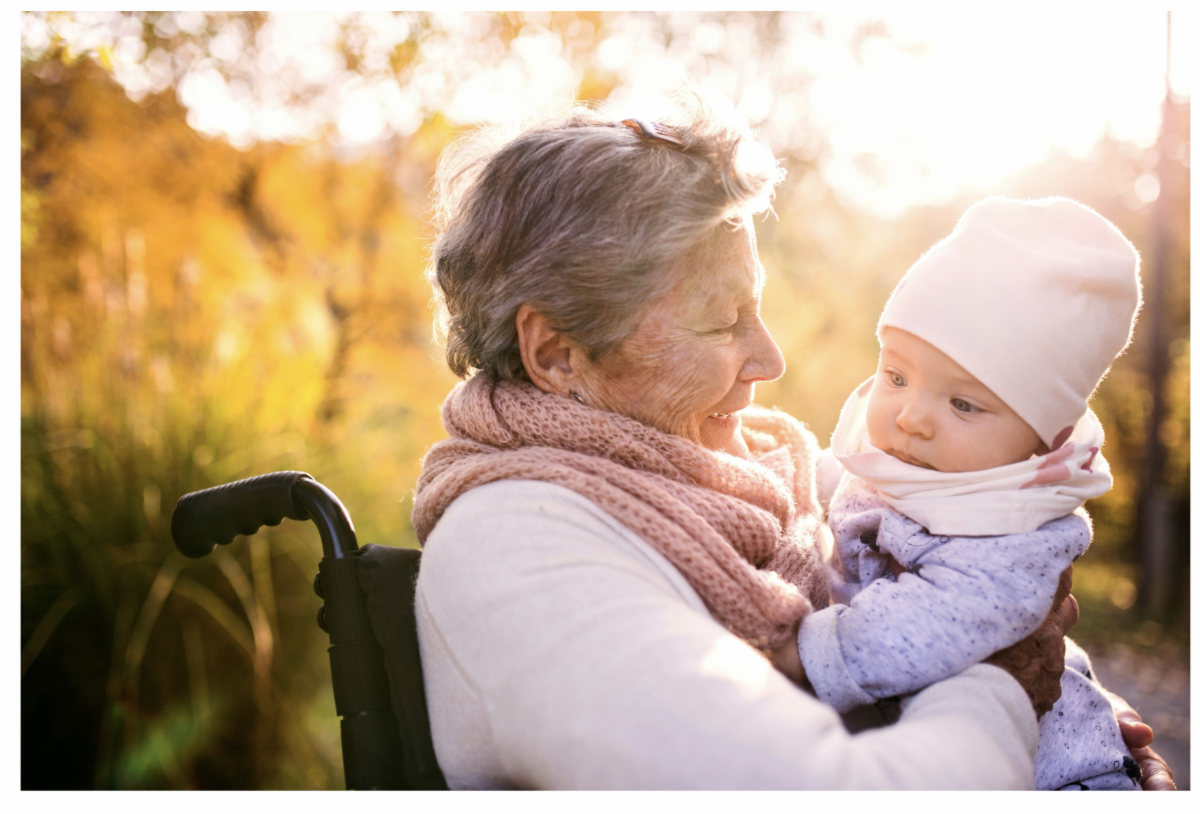
Want to receive Grief Perspectives in your email box every month—absolutely free! Simply send an email to Daliah@SnyderFuneralHome.com and write SUBSCRIBE TO GRIEF PERSPECTIVES in the subject line. If our newsletter no longer meets your needs, you can also unsubscribe by sending an email. And either way, we invite you to forward this issue to colleagues and friends you think would benefit from having their own subscription. WHEN A GRANDPARENT IS NEARING DEATH: ALLOWING CHILDREN TO GUIDE THEIR OWN INVOLVEMENT Kathleen Massmann, PhD, LPCC, FT Editor’s Note : We welcome this month the contribution of an ADEC colleague, Dr. Kathleen Massmann. Dr. Massmann serves as Clinical Director of Healing Moments Counseling in Monticello and Byron, Minnesota. You can learn more about her work at www.healingmomentscounseling.com

Families in Lititz often ask whether choosing cremation impacts their ability to hold a meaningful service.

Families in Lititz often ask what veterans’ funeral benefits include when planning a meaningful tribute for a loved one who served.
Editor’s Note: We welcome this month the contribution of an ADEC colleague, Dr. Kathleen Massmann. Dr. Massmann serves as Clinical Director of Healing Moments Counseling in Monticello and Byron, Minnesota. You can learn more about her work at www.healingmomentscounseling.com
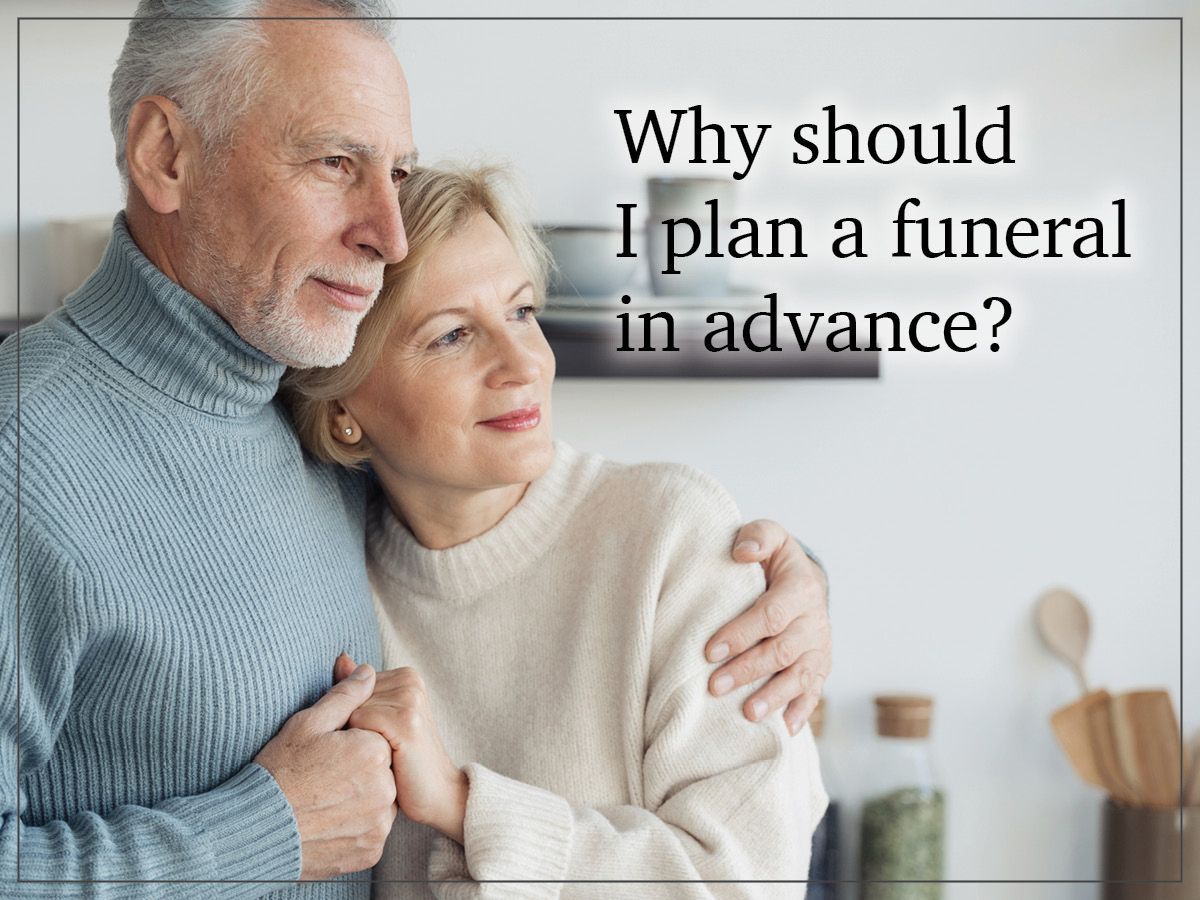
Planning a funeral in advance is a compassionate and thoughtful decision that may ease future stress for loved ones.
Renger, S. (2023). Therapists’ views on the use of questions in person-centred therapy. British Journal of Guidance & Counselling, 51(2), 238–250. https://doi.org/10.1080/03069885.2021.1900536
The Author: For more than 40 years, William G. Hoy has walked alongside the dying and bereaved. Since his retirement from Baylor University in 2024, he gives much of his time to helping colleagues connect more helpfully with bereaved individuals. He can be reached at Bill_Hoy@baylor.edu.


