

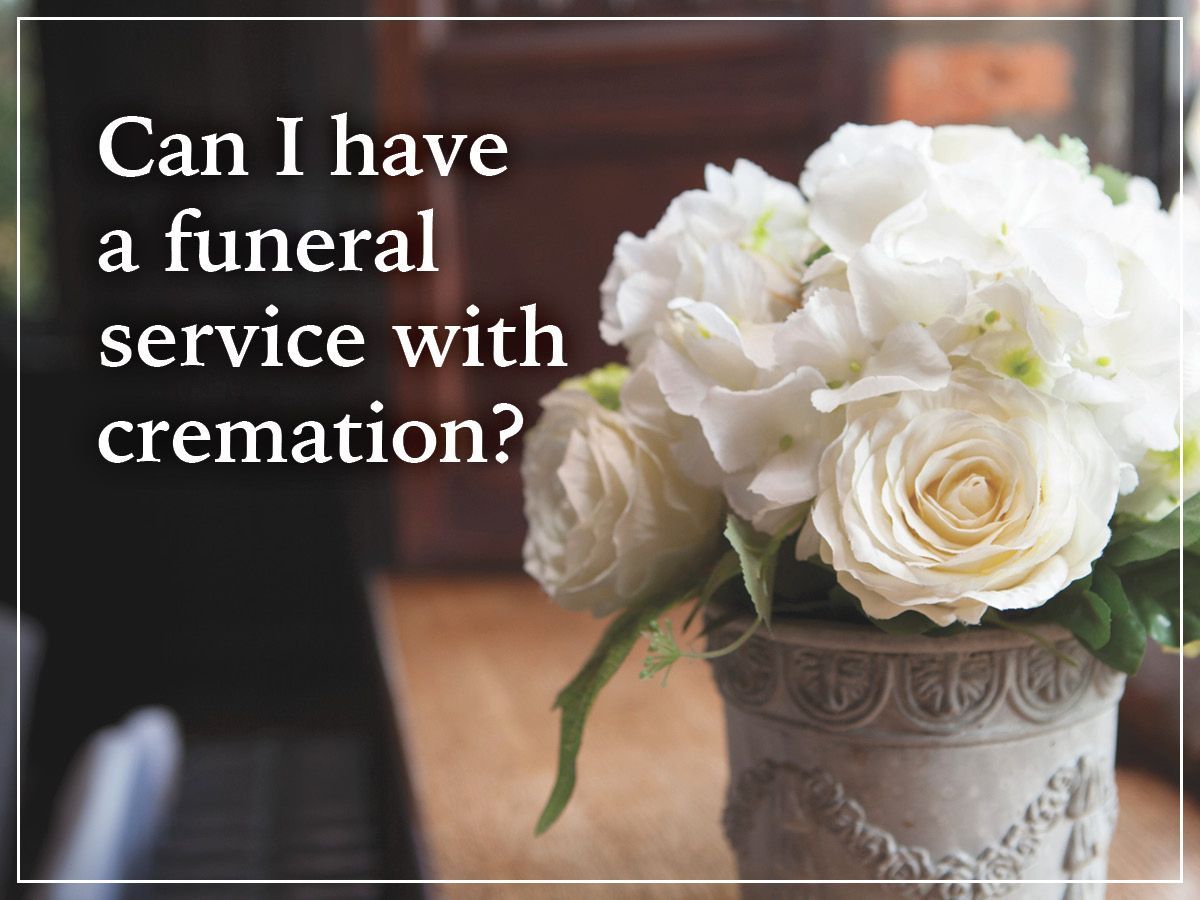
Families in Lititz often ask whether choosing cremation impacts their ability to hold a meaningful service.

Families in Lititz often ask what veterans’ funeral benefits include when planning a meaningful tribute for a loved one who served.

Planning a funeral in advance is a compassionate and thoughtful decision that may ease future stress for loved ones.
Families in Lititz, Pennsylvania, often ask whether cremation or burial is the better choice when planning a meaningful farewell.

Families in Lititz often ask what funeral services include and how each part of the process helps them honor a loved one.

Families in Lititz often ask about the benefits of planning funeral arrangements in advance.
Families in Lititz, PA often wonder what happens during the cremation process.
Families in Lititz, Pennsylvania often ask what is required from the next of kin when planning burial or cremation arrangements.
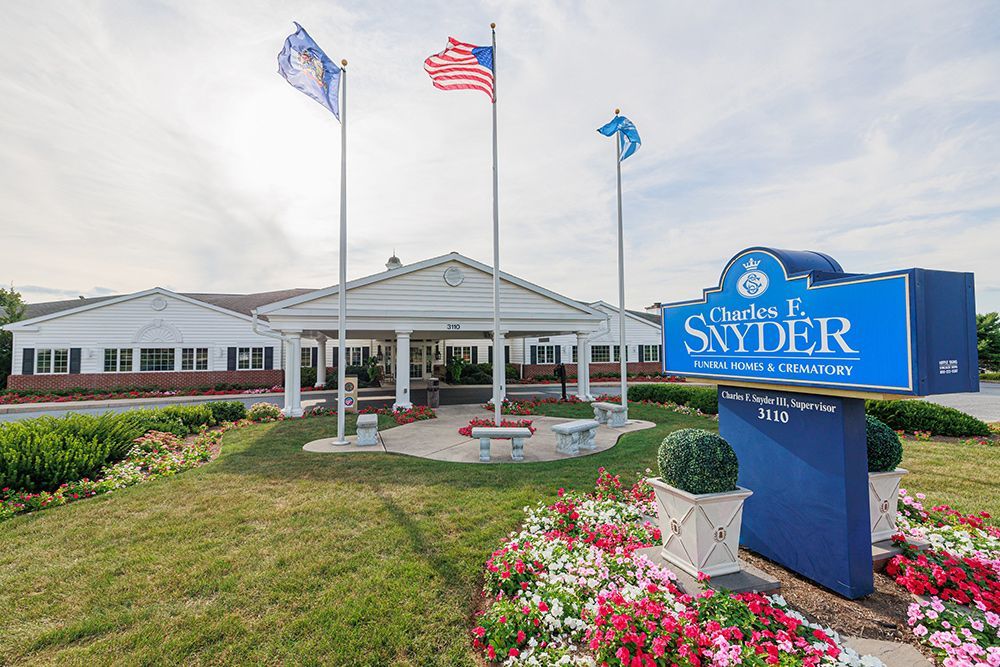
Summary Funeral and cremation costs often vary based on location, facilities, staffing, and service offerings. Families in Lititz may notice differences in pricing depending on available amenities, on-site cremation services, and gathering spaces. Personalization, professional care, and the level of support chosen all contribute to total cost. The FTC’s Funeral Rule requires transparent pricing to help families compare providers with confidence. Why Do Funeral and Cremation Costs Vary? Families in Lititz often wonder why funeral and cremation costs differ among funeral homes. According to the National Funeral Directors Association (NFDA), these variations are common and are often tied to regional operating expenses, staffing needs, and the types of services families choose. All referenced national data is accurate as of 2025. Regional and Overhead Differences Communities like Lititz may have operational costs that differ from major metropolitan areas or rural regions. Expenses such as staffing, facility maintenance, and property requirements can influence how funeral homes determine pricing. These regional differences explain why costs may vary even between funeral homes that offer similar services. Facilities, Services, and Personalization The Federal Trade Commission (FTC) requires funeral homes to provide a General Price List (GPL), ensuring families understand available services and their associated costs. Funeral homes offering on-site cremation, spacious chapels, or reception areas may have higher staffing and maintenance expenses, which can affect overall pricing. Costs also vary based on whether a family chooses a traditional funeral , cremation with a service, or direct cremation, as well as personalized elements such as music, flowers, video tributes, or catered gatherings. Professional Care and Transparency Every funeral or cremation arrangement involves a professional team providing preparation, documentation, transportation, and ongoing support. The Cremation Association of North America (CANA) highlights that this expertise is an important part of the overall value families receive. Families may compare GPLs to better understand offerings and select the funeral home that best meets their needs and preferences. Frequently Asked Questions Why do funeral prices vary from one funeral home to another? Prices often differ due to facility size, staffing, location, and personalization options, according to the NFDA. Are funeral homes required to disclose their pricing? Yes. The FTC’s Funeral Rule requires providers to offer a detailed General Price List (GPL) before any arrangements are made. Does preplanning help manage funeral or cremation costs? Yes. Preplanning may help families secure current prices, clearly document their wishes, and reduce emotional and financial stress later on. Written for Charles F. Snyder Funeral Home & Crematory – Lititz Pike Chapel, proudly serving families in Lititz with compassion and care. About Charles F. Snyder Funeral Home & Crematory – Lititz Pike Chapel Charles F. Snyder Funeral Home & Crematory has served families throughout Lititz and the surrounding communities for generations. Located at 3110 Lititz Pike, Lititz, PA 17543 . The funeral home is dedicated to offering compassionate guidance, clear options, and meaningful services that honor each family’s values and traditions. www.snyderfuneralhome.com
Summary According to the National Funeral Directors Association (NFDA), the national median cost of a funeral with cremation is $6,280 as of 2025. A direct cremation, which does not include a ceremony, typically ranges from $2,800 to $3,000. Cremation costs vary depending on service type, merchandise selections, and local factors. Families in Lititz can choose cremation options that reflect their needs, preferences, and traditions. How Much Does Cremation Cost? Families in Lititz, Pennsylvania, often ask how much cremation costs and what influences those costs. According to the National Funeral Directors Association (NFDA) 2024 General Price List Study, the national median cost of a funeral with cremation is $6,280 as of 2025. This amount often includes professional care, transportation, coordination services, and the use of facilities for a gathering or memorial. Many families consider direct cremation, which is typically the most affordable option. This choice generally ranges from $2,800 to $3,000 and includes the essential elements of the cremation process without a visitation or ceremony. Even with this simple option, funeral professionals ensure the process is handled with dignity and respect. What Factors Influence Cremation Costs? Cremation costs are shaped by several factors, including whether a family chooses a memorial service, a celebration of life, or an immediate cremation. Families may also select an urn or keepsake to honor their loved one, which can influence the final cost. Merchandise descriptions remain general to give families freedom to choose what feels right. Local considerations can also impact pricing. Funeral homes that maintain an on-site crematory or offer spacious gathering areas, reception spaces, and comprehensive staff support may have different pricing structures. The Federal Trade Commission (FTC) requires every funeral home to provide a transparent General Price List (GPL) so families can compare options clearly and confidently. Planning ahead can also be a helpful way for families to prepare, often ensuring wishes are honored and offering some protection against future cost increases. Frequently Asked Questions Is cremation typically less expensive than burial? Cremation is often more affordable because it typically does not require cemetery property, a burial vault, or a casket. Total costs still vary depending on the services selected. Can families have a funeral or memorial service with cremation? Yes. Many families in Lititz choose to hold a meaningful funeral, memorial, or celebration of life either before or after the cremation process. Do all funeral homes include the same services in their cremation pricing? No. Cremation packages often vary. Some may include additional services or amenities, which is why reviewing a funeral home’s General Price List is helpful. Written for Charles F. Snyder Funeral Home & Crematory – Lititz Pike Chapel, proudly serving families in Lititz with compassion and care. About Charles F. Snyder Funeral Home & Crematory – Lititz Pike Chapel Families in Lititz, Pennsylvania, can turn to Charles F. Snyder Funeral Home & Crematory – Lititz Pike Chapel for compassionate and professional guidance. Located at 3110 Lititz Pike, Lititz, PA 17543, the caring team can be reached at 717-560-5100 for support with cremation services and preplanning. www.snyderfuneralhome.com