
January 2026: Complexities of Bereavement: The Situation of Loss
by William G Hoy
Though it could almost go without saying, the circumstances surrounding a loss can have a profound impact on the grief process as loved ones sort out the impact of that experience. The situation as I have labeled it, the circumstances of the death as well as how the bereaved individual relates to the deceased, contribute in ways that are sometimes intuitive, sometimes not (Hoy, 2016, 2025).
As explained in last month’s issue, I see the situation as one of the three inter-related constellations of factors that impact the grief experience. The other two are support (what systems are in place to help the bereaved find their way) and selfhood (the background and history—mental health and all—that the bereaved bring to the mourning process). Like the diagram indicates, these overlap and contribute to one another in the process (Hoy, 2016, 2025). For example, a person diagnosed with borderline personality disorder predating the death has likely alienated much of her support system, long before needing those family members and friends in the grief process. This month we focus on situation and in February and March, we turn to the other two.
Notable among the components for assessing the impact of situation is the level of expectation of the loss. Generally, having some time to process the notion that a loved one is dying (anticipatory grief) provides more protection against complicated mourning than when death comes suddenly and without warning. When death is unexpected, our emotions are typically numbed temporarily to the full meaning of the loss and the depth of the full impact is “unpacked” over hours, days, and even weeks. That is why the “reality just does not sink in” when we are told a friend has died of a massive heart attack in middle age. Nothing prepares the grieving heart for that news in advance and, to use Doug Manning’s (1984) metaphor, the news has to be peeled back layer by layer like one peels an onion.
In addition to the surprise factor, the situation is made more complex by the level of violence involved in the death. When there is significant trauma with the death (a violent car crash or a homicide, for example) the bereaved individual is left wondering what the deceased must have felt or how much he or she must have suffered. This rumination on the circumstances of the death adds to the grief burden experienced by many grieving individuals which might be why so many people say they would much rather die in their sleep. As westerners, we work hard to avoid suffering at all costs.
Especially when death was by violent means, helpers will want to be on the lookout for symptoms of unresolved trauma that can sometimes become a full-blown trauma disorder such as post-traumatic stress disorder. When individuals recount vivid details, I ask follow-up questions to determine how much these experiences disrupt sleep, whether they have become intrusive and unwelcome throughout the day, and how the bereaved person is dealing with being in the place where the death occurred. Any persistent reexperiencing of the trauma or avoidance behaviors, especially when accompanied with being on “high alert” and a general negative outlook (“This will never get better…”) is reason for a full workup by a trauma-informed clinician.
The age of both the deceased person and the bereaved individual also impacts how we orient ourselves to the loss. I have worked with adult children who are processing with great difficulty the death of parents in their nineties, even though as health care professionals, we know death comes with great frequency in this age group. Regardless of the deceased’s age, some people just “did not see this coming.” But when the death occurs to an adolescent or young adult, especially in unexpected and/or traumatic circumstances, nobody saw it coming and it leaves survivors reeling in the aftermath.
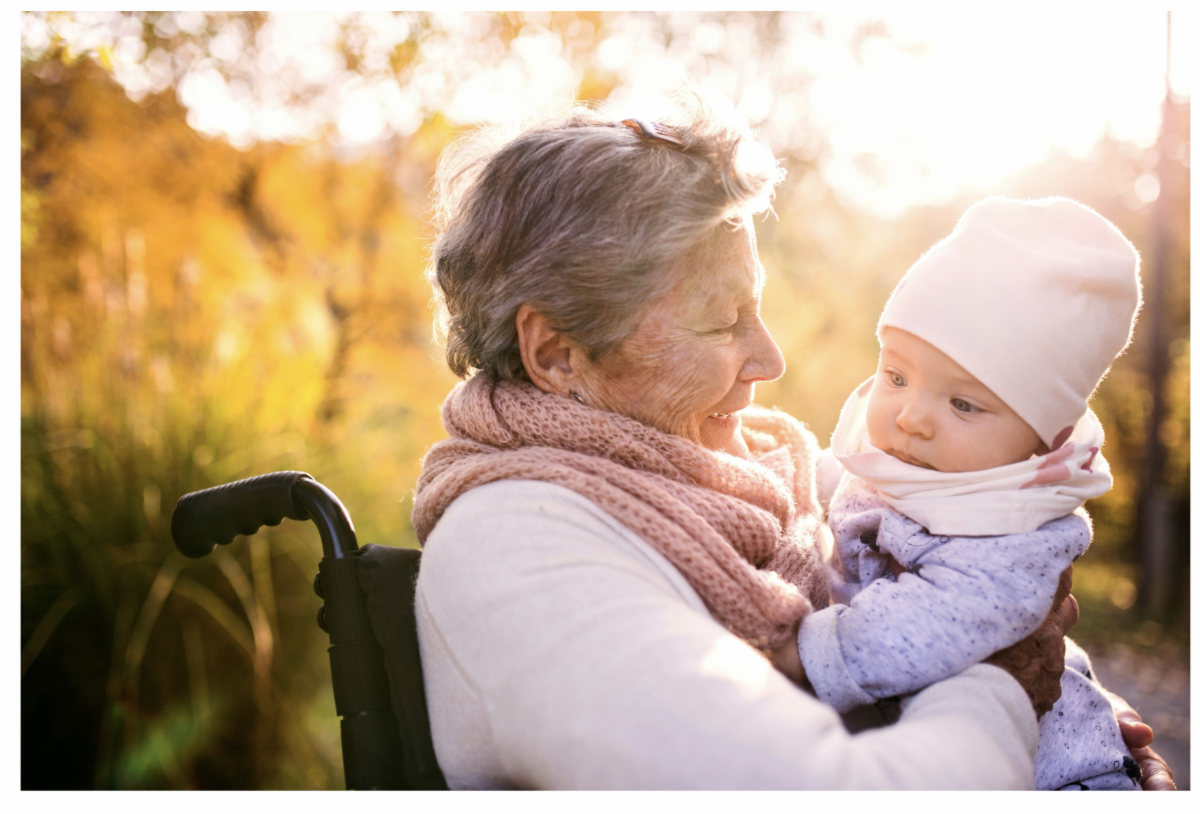
Moreover, when the bereaved person is a child, and the death is to a primary care person, the loss can be overwhelming because it impacts every corner of the child’s life. Equally important is to not overlook bereavement on the other end of life since many older adults live quite isolated existences without significant community/social support around them. The death of a spouse can be devastating when one’s life has been built around that person, perhaps for decades.
All of these factors contribute to making grief more complex. Interestingly, labeling and talking about (or writing about these factors) can be immeasurably helpful in processing the experiences. Here are some assessment questions that often lead to very productive conversations with bereaved people. They are designed for one-to-one conversations (individual therapy) but can often be modified for grief support groups, as well. Be very cautious when eliciting details about death in groups as the recounting of these details can be traumatizing for others in the group.
-
How did you learn of the death?
-
Who told you, where were you, how did that conversation go?
-
Did you expect this news or was it completely “out of the blue?”
-
Is there anything you wish you could change about how you learned of the death? What?
-
What disturbs you the most (if anything) about how he died? How much does that bother you (listen for whether this person meets the criteria for a trauma disorder such as PTSD)
-
How well did you perceive the (hospital/hospice/coroner’s office/police department) walked with you through this experience? What are you glad they did? What do you wish they would have done differently?
Vital in this understanding, however, is the importance of assigning risk. Does a traumatic or other unexpected death, or the loss of a person who is seen as the primary caregiver (like a young child losing a mother) predict a poor outcome? No, just like smoking does not predict lung cancer, the presence of these factors does not predict some kind of disordered bereavement; the presence of these factors just increase the risk that grief will be more difficult to navigate and integrate into the rest of life. Whether volunteer or professional, sensitive, grief-informed caregivers are the best remedy for helping individuals untangle the knotted difficulties that death circumstances sometimes provoke.
References.
Hoy, W.G. (2016). Bereavement groups and the role of social support: Integrating theory, research, and practice. Routledge.
Hoy, W.G. (2025). Creating meaning in funerals: How families and communities make sense of death. Routledge.
Manning, D. (1984). Don’t take my grief away: What to do when you lose a loved one. Harper One.
The Author: For the last 40 years, William G. Hoy has been counseling with the bereaved, supporting the dying and their families, and teaching colleagues how to provide more effective care. After more than 17 years in hospice care, he served as Clinical Professor of Medical Humanities at Baylor University in Waco, Texas from 2012 to 2024. In his semi-retirement, he continues to write and provide resources and training seminars to colleagues who care for the bereaved. He can be reached at Bill_Hoy@baylor.edu.

Recent Posts